
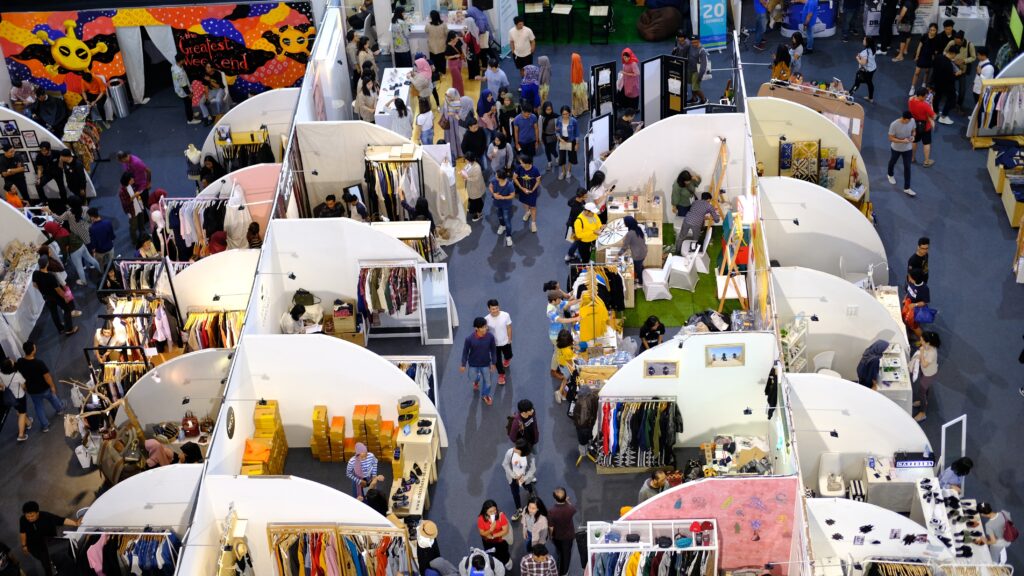
One strategy that has proven extremely effective in increasing revenue is the use of brand pop-ups. These temporary events allow businesses to showcase products, interact with customers in person, and create a memorable brand experience. By positioning sales reps in relevant local events where your target audience is likely to be, you can boost sales, strengthen brand awareness, and build connections with other local businesses. This article explores how to increase revenue with brand pop-ups, how to plan them effectively, and ways to maximize engagement through strategic placement and marketing.
Why Brand Pop-ups Work
Brand pop-ups combine the power of direct sales with experiential marketing. Unlike traditional retail or digital advertising, pop-ups offer a personal, hands-on experience that creates a deeper connection between your brand and potential customers.
Here are some reasons why pop-ups are so effective:
- Direct Interaction: Sales reps can engage customers directly, answer questions, and provide demonstrations. This personalized approach increases trust and encourages immediate purchases.
- Targeted Audience: By choosing events or locations frequented by your target demographic, your brand reaches the right people at the right time.
- Flexibility: Pop-ups can be adapted to different locations, event types, and audience sizes. They are perfect for testing new products or promotions without committing to a long-term lease.
- Collaboration Opportunities: Pop-ups often occur in local markets or community events, allowing your brand to connect with other businesses for partnerships, co-promotions, and cross-selling opportunities.
With these benefits, it is easy to see why many direct sales brands are leveraging pop-ups to boost revenue.
Planning a Successful Brand Pop-up
To maximize the impact of your pop-up, careful planning is essential. A well-executed pop-up ensures your team can engage effectively with customers and create a lasting impression.
Step 1: Identify Your Target Audience
The first step in planning any direct sales effort is understanding your audience. Who are the people most likely to buy your product? What are their interests, habits, and purchasing behaviors? Once you have a clear profile, you can identify events or locations that attract these potential customers.
For example, a fitness brand may choose to set up at a local marathon or health expo, while a gourmet food company could target farmers’ markets or food festivals.
Step 2: Select the Right Location and Event
The location and event determine the success of your pop-up. Choose high-traffic areas where your target audience is likely to spend time. Popular options include:
- Local festivals or fairs
- Farmers’ markets
- Trade shows and expos
- Sporting events
- Community or charity events
Selecting the right event ensures that your sales reps are in front of potential buyers who are already engaged and interested. This is one of the most effective local marketing techniques you can use to drive revenue.
Step 3: Design an Engaging Experience
A pop-up is not just a sales booth; it is an opportunity to create an experience. The design and layout should reflect your brand’s personality and make it easy for customers to engage. Consider the following elements:
- Eye-catching signage and displays
- Product samples or demonstrations
- Interactive elements such as games, contests, or live demonstrations
- Comfortable spaces for customers to explore and ask questions
The goal is to make the experience memorable so that even those who do not make a purchase leave with a positive impression of your brand.
Training Your Sales Team for Pop-ups
Having the right team in place is critical to the success of a pop-up. Sales reps must be well-prepared to engage with customers, answer questions, and close sales on the spot.
When training your sales team for a pop-up, focus on:
- Understanding the product inside and out
- Perfecting the sales pitch for short interactions
- Practicing how to handle objections gracefully
- Learning how to upsell and cross-sell effectively
Additionally, encourage your team to be approachable, enthusiastic, and responsive. A friendly demeanor often drives more sales than scripted lines alone.
Role-play scenarios can be particularly helpful for preparing reps to respond to different customer personalities. By practicing these interactions, your team becomes confident and ready to handle any situation.
Maximizing Revenue at Pop-ups
Once your pop-up is set up and your team is trained, the next step is to focus on revenue generation. Here are some strategies to ensure maximum sales:
1. Offer Exclusive Promotions
Limited-time offers create a sense of urgency. Customers attending your pop-up may be more likely to purchase if they know they can only access a special discount or gift at the event.
2. Engage Customers Personally
Direct engagement is one of the biggest advantages of a pop-up. Encourage your team to greet every visitor, ask open-ended questions, and tailor the pitch to the individual’s interests. Personalized attention often leads to higher conversion rates.
3. Provide Samples or Demonstrations
Giving customers the chance to see or try a product builds trust and makes them more likely to buy. For example, a cosmetics brand can offer testers, while a food brand can provide samples of its latest products.
4. Capture Customer Information
Even if a sale does not happen immediately, collect contact information for future follow-ups. Offer incentives such as a free gift, raffle entry, or exclusive updates in exchange for email addresses or phone numbers.
This practice supports your long-term sales strategy and provides a foundation for future campaigns.
5. Partner with Local Businesses
Collaborating with other local vendors can extend your reach. Co-hosting promotions or cross-selling products during a shared event can attract a wider audience. These relationships can continue beyond the event, creating ongoing business opportunities.
Using these techniques, businesses can increase revenue with brand pop-ups while building lasting connections with customers and other local organizations.
Measuring Success
To evaluate the effectiveness of your pop-up, track metrics that reflect both sales performance and brand engagement. Consider measuring:
- Total sales and revenue generated
- Number of new customer contacts collected
- Customer feedback and satisfaction
- Social media engagement and local buzz generated
Regularly reviewing these metrics helps you understand which strategies work best and how to improve future pop-ups.
Common Mistakes to Avoid
While pop-ups are highly effective, some mistakes can limit their potential:
- Poor Location Choice: Choosing an event that does not align with your target audience can result in low engagement and wasted resources.
- Undertrained Staff: Sales reps who are not prepared to handle questions or close sales can miss opportunities.
- Lack of Engagement: Simply displaying products without interacting with customers reduces the impact of a pop-up.
- Ignoring Follow-up: Not collecting customer information or neglecting post-event communication can result in lost long-term revenue.
By avoiding these pitfalls, your pop-ups can become a reliable tool for increasing sales and building a strong local presence.
Planning Your First Pop-up
For brands new to pop-ups, start small. Choose a single event that aligns closely with your audience and test your approach. Evaluate what worked well and what needs improvement before expanding to multiple locations.
Ensure that your team is prepared, your display is attractive, and you have a clear plan for promotions and customer engagement. Using insights from this first event, you can refine your strategy and gradually increase your presence in the local market.
Integrating Pop-ups into Your Overall Marketing Strategy
Pop-ups should complement your broader marketing efforts. While they provide direct sales opportunities, they also create content, generate leads, and strengthen brand reputation.
Integrating pop-ups with local marketing techniques such as community partnerships, in-store promotions, and local advertising amplifies the impact. By aligning your pop-up events with other marketing efforts, your brand can create a cohesive and powerful presence in the area.
Additionally, pop-ups offer unique insights into customer preferences and behavior. The data collected can inform future product development, marketing campaigns, and sales strategies.
How to Sell at an Event
A key factor in maximizing the success of your pop-up is understanding how to sell at an event. Focus on making personal connections, demonstrating value, and creating urgency. Be attentive to customers’ needs and adapt your approach based on their responses.
Sales reps should be proactive without being aggressive, offering guidance and recommendations while allowing the customer to make a confident decision. Closing a sale at an event requires a balance of enthusiasm, knowledge, and genuine engagement.
Long-term Benefits of Pop-ups
Beyond immediate revenue, pop-ups provide lasting advantages:
- Brand Awareness: Customers remember unique experiences and are more likely to become loyal buyers.
- Networking Opportunities: Collaborations with other businesses can open doors for new partnerships.
- Market Research: Observing customer behavior firsthand provides valuable insights for product development and future campaigns.
By implementing local marketing techniques, preparing a trained sales team, and creating an engaging and memorable experience, your brand can stand out in the local marketplace. Whether you are testing a new product, expanding into a new area, or simply looking for creative ways to connect with your audience, pop-ups provide a flexible and effective solution.
Through careful planning, execution, and analysis, companies can successfully increase revenue with brand pop-ups while building stronger relationships with customers and the local business community.
Prolific Solutions delivers swift, tangible results that bolster our clients’ profitability. Collaborating with Fortune 500 giants has steered us into diverse sectors such as telecommunications, clean energy, cutting-edge home technology, and financial services. Contact us to learn more about our marketing services and how we can help your business grow and scale.